In shortOsaka Dotonbori street food is strung along a canal dug in 1612, and the densest run of counters sits 5 to 10 minutes on foot from Namba, Shinsaibashi or Nipponbashi. You get takoyaki windows, okonomiyaki hot plates, kushikatsu counters and crab and blowfish houses. Each shop on the strip fixes its own hours and its own closing days, with nothing published for the district as a whole. Over the Ebisu Bridge crossing, the Glico sign is illuminated from sunset to 24:00, which keeps the photo stop open after any evening walk.
1612year the Dotonbori canal was dug
20 m × 10.4 msize of today's Glico running-man sign
80 m × 3 mlength and width of the Hozenji Yokocho food alleys
5-10 minon foot from Namba, Shinsaibashi or Nipponbashi station
Where the eating is concentrated along the canal
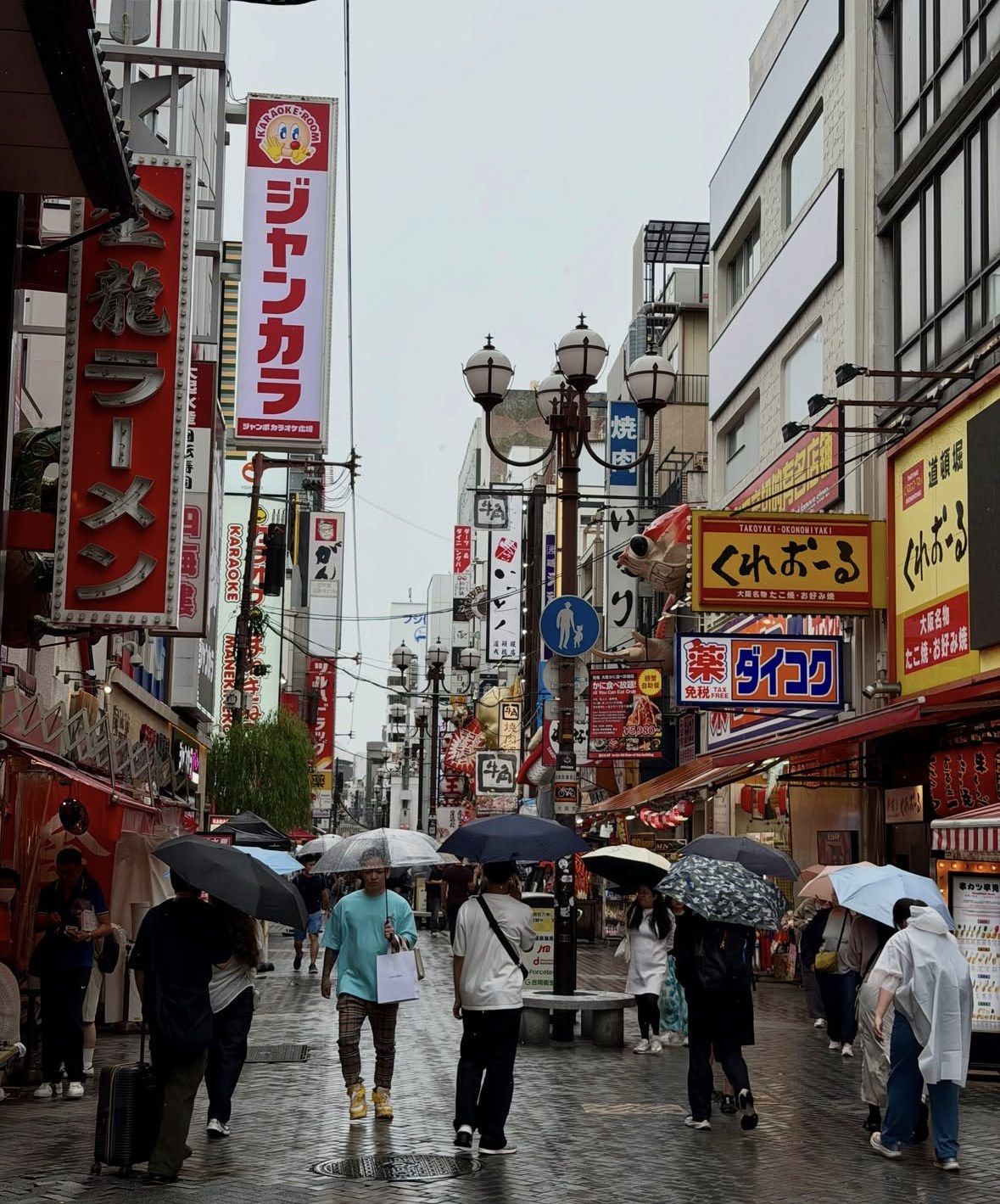
Most of the eating happens on the pavement on both banks of the canal and along the lane that runs parallel to the water, in the Minami half of the city. Counters face outwards, you order at the window, and the queue forms on the street rather than in a dining room. The crush is worst at the Ebisu Bridge crossing, then spreads along the riverside walkway on the north bank. One Osaka food tour on this site, the 3-hour izakaya bar crawl, gathers at the monument in front of the Glico sign, just below Ebisu Bridge, before heading into Uranamba.
Namba Station is the main gateway, served by Nankai and Kintetsu along with the Osaka Metro Midosuji, Sennichimae and Yotsubashi lines. Shinsaibashi and Nipponbashi work too; from any of the three, reckon on 5 to 10 minutes on foot to the busiest block of counters.
How the 1612 canal became a food strip
Dotonbori carries the name of Yasui Doton, who funded the digging of the canal in 1612. The quarter that grew along the water became Osaka's theatre and entertainment district, which is why the frontages are built to be read from across the street rather than discovered from inside.
No district-wide timetable exists to plan around. The official listing states that opening hours and closing days are set store by store, and the store association answers on 06-6211-4542, so call ahead if one particular shop is the point of the evening. The strip fills up after sunset, which is also when the lanes behind the canal get going.
Both food quarters in one evening
Three hours with a local guide across Shinsekai and Dotonbori in a single walk: kushikatsu, takoyaki, a piece of okonomiyaki you help cook on the grill and 2 drinks included.
★ 4.8/5 · 1,159 reviews
The Glico sign over Dotonbori
A Glico sign has stood above the canal since 1935. The one everyone points a camera at is the sixth in the line, installed in October 2014 and measuring 20.00 m high by 10.38 m wide, facing the Ebisu Bridge crossing where the crowd packs in each evening.
Glico's own page gives the illumination window as sunset until 24:00, so even a late finish leaves the photo stop open. By day the sign is a large board above a busy bridge, and the bridge is far easier to cross.
Hozenji Yokocho, the alleys behind the canal
Hozenji Yokocho runs east to west as two stone-paved lanes, 80 metres long and 3 metres wide. Kappo restaurants that cook to order at the counter line them, along with bars, okonomiyaki houses and kushikatsu shops, at a noise level several notches below the canal frontage.
The walk from Namba Station takes 5 minutes, and Kintetsu, Nankai and the Osaka Metro Midosuji and Sennichimae lines all stop there. Rooms are small, counters seat a handful of people, and the menu usually sits inside rather than in the window, which is the part of an evening worth handing to a guide.
What you eat along the strip
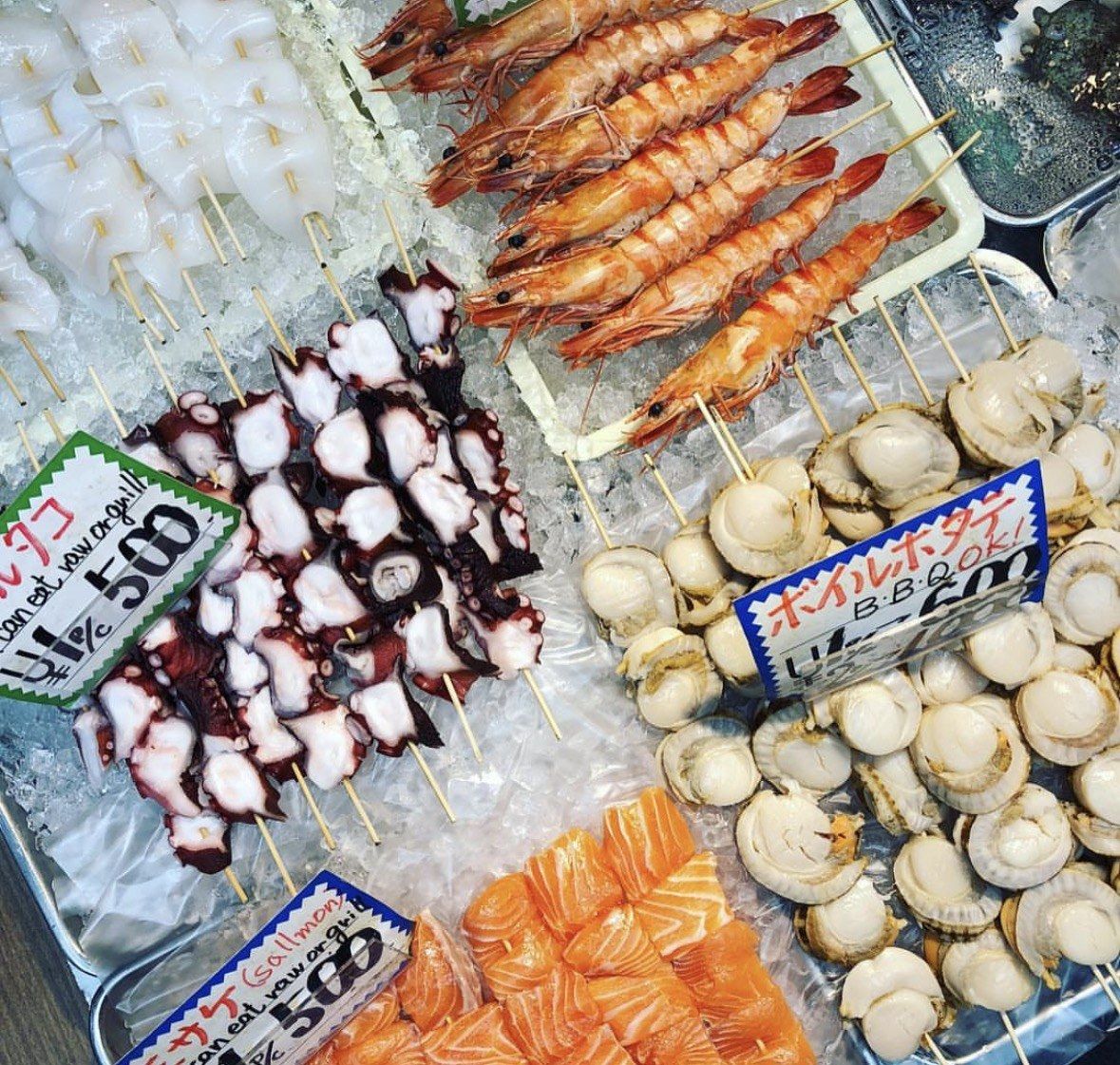
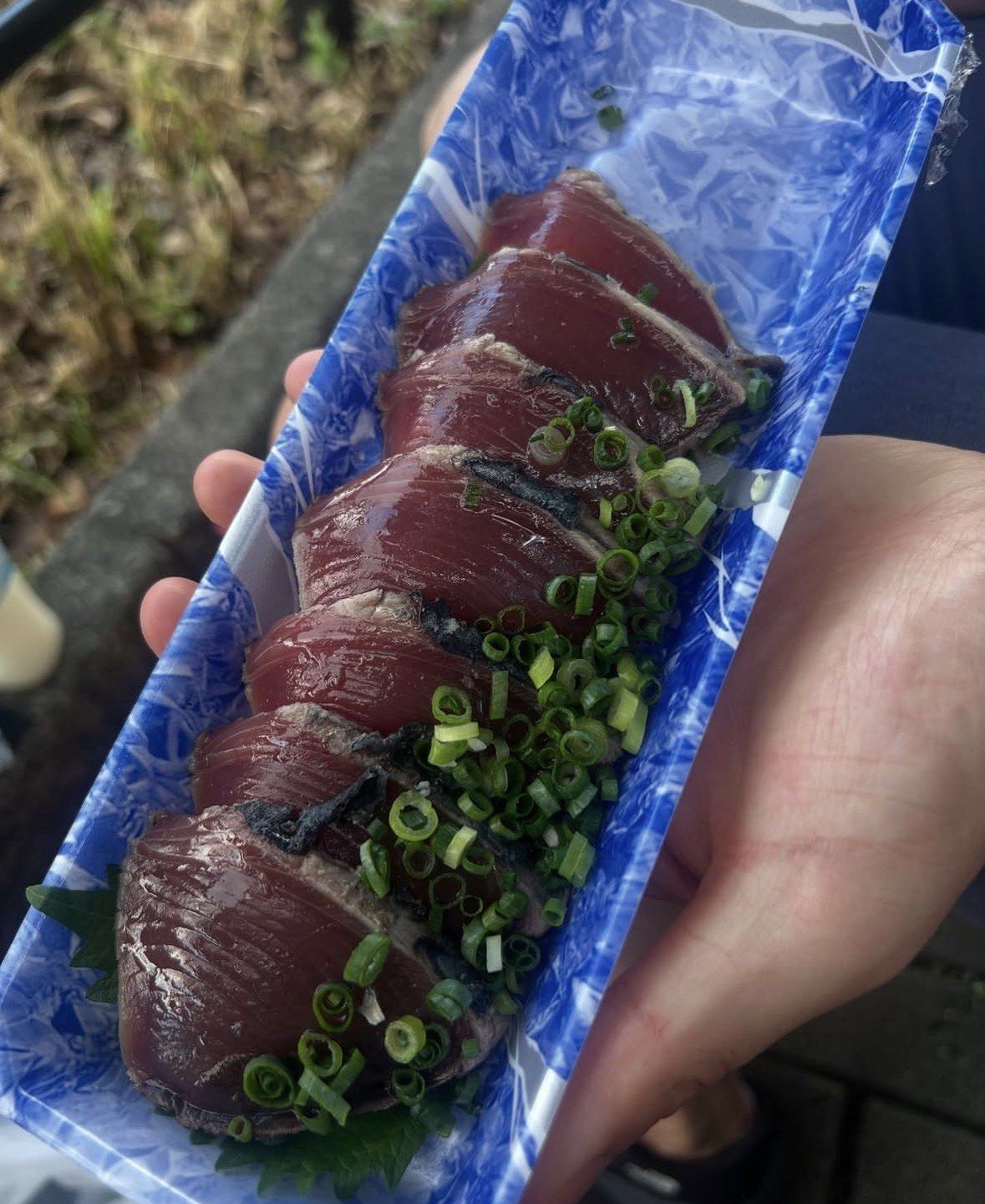
The line-up repeats along the canal: the same four or five dishes, cooked in front of you, in portions small enough that you can keep walking.
- Takoyaki, octopus pieces in fried batter balls, turned on a dimpled plate at the window and passed over in a tray with sauce and bonito flakes.
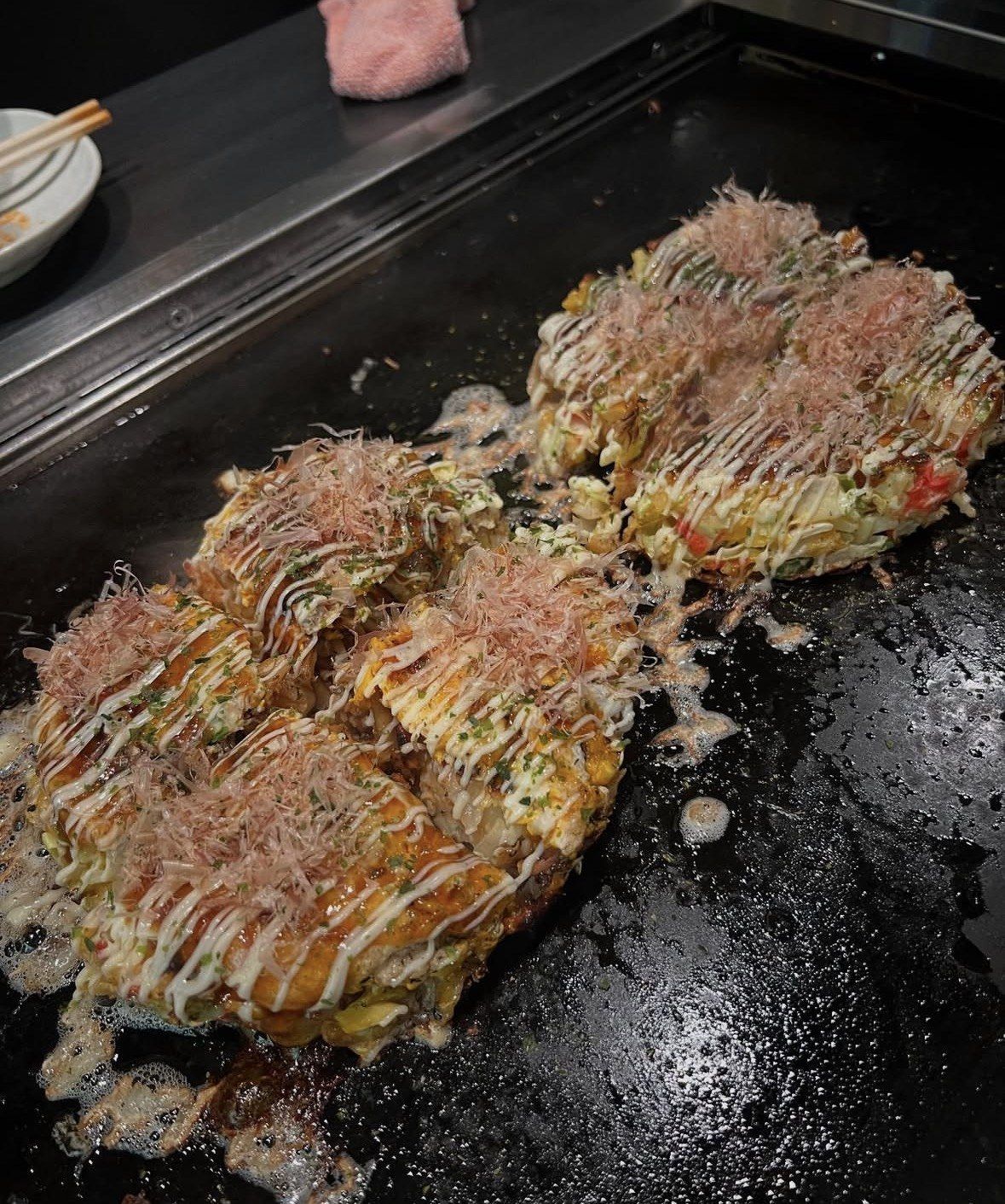
- Okonomiyaki, a savoury cabbage pancake cooked on steel; the Kansai method dissolves wheat flour in dashi, treats cabbage as the essential ingredient and favours pork as the topping.
- Kushikatsu, deep-fried skewers of meat and vegetables, eaten standing at a counter and dipped once in the shared sauce.
- Crab and blowfish houses, the sit-down restaurants behind the big moving signboards, which work as a booked meal rather than a stop on a walk.
- Izakaya, Japanese pubs serving small dishes, filling up from early evening in the lanes set back from the water.
Which walk to book for the evening or the day
Put your guided time in the evening. The Osaka Local Foodie Walking Tour in Dotonbori and Shinsekai runs 3 hours, from $109 and rated 4.8 ★ (1,159 reviews), with starts at 11:30, 16:30 or 17:30, and it covers 7 pieces of kushikatsu, a few pieces of takoyaki, a piece of okonomiyaki you help cook on the grill and 2 drinks, alcoholic or not, with tour photos afterwards. Transport fees of ¥190 are not included, and the group forms at FamilyMart Sanno Dobutsuen-mae just outside Exit 1 of Dobutsuen-mae Station, so the Shinsekai half comes first and the canal later.
If bars interest you more than griddles, the Osaka Backstreet Nightlife & Street Food Walking Tour is the 3-hour version built around an izakaya dinner, alcoholic drinks and introductions to bars behind the main streets, from $107 and rated 4.9 ★ (1,154 reviews). It gathers outside Izakaya Bonkuraya just before 18:00, in the car park reached by walking south from the main road past the sumo restaurant.
For daylight hours, pair the strip with the covered market in Nipponbashi. On the Osaka Walking Tour: Dotonbori, Kuromon Market & Street Food you follow a licensed guide for 2.5 hours, from $30, rated 4.9 ★ (227 reviews), with all fees and taxes covered and snacks left out, and the group forms in front of the Apple Store Shinsaibashi. That suits a short stopover or a morning before the heat builds, and it leaves your evening on the canal unbooked. Which days it runs, how many places are left and the terms that apply are all set out on the booking page.
Shoes matter more than anything else here, since all three formats run three hours or close to it and you spend most of that time standing.
| Tour | Duration | From | Rating | What you taste | Meeting point |
|---|
| Osaka Local Foodie Walking Tour in Dotonbori and Shinsekai | 3 hours | from $109 | 4.8 ★ (1,159) | 7 kushikatsu, takoyaki, okonomiyaki you help cook, 2 drinks | Dobutsuen-mae Exit 1, FamilyMart Sanno Dobutsuen-mae |
|---|
| Osaka Backstreet Nightlife & Street Food Walking Tour | 3 hours | from $107 | 4.9 ★ (1,154) | Izakaya dinner, alcoholic drinks, backstreet bar introductions | Outside Izakaya Bonkuraya, just before 18:00 |
|---|
| Osaka Walking Tour: Dotonbori, Kuromon Market & Street Food | 2.5 hours | from $30 | 4.9 ★ (227) | Licensed guide, all fees and taxes included, snacks not included | In front of the Apple Store Shinsaibashi |
|---|
Questions people ask
What time do the Dotonbori shops open and close?
The official listing gives no hours for the district as a whole, because each store sets its own opening time and its own closing days. Evenings are the safer bet, since the strip fills after dark and the Glico sign is lit from sunset until 24:00. For one particular shop, the store association answers on 06-6211-4542, and a call on the day is worth it.
Can I smoke or vape while walking the strip?
No. Osaka City made street smoking an offence inside its whole area on 27 January 2025, and lighting up outside a designated smoking area costs you a 1,000 yen fine. That covers the pavements along the canal and the alleys behind them. Indoors, some restaurants and cafes still keep separated smoking sections.
Do I tip at the counters or at the end of a tour?
Tipping is not customary in Japan, including on food tours and in Osaka restaurants and taxis. You say thanks out loud instead. Gratuities appear on operator listings under what is not included, and that line is paperwork; nobody at the end of the walk stands waiting for one.
Is the okonomiyaki here the same as the Hiroshima version?
No. The Kansai style you get in Dotonbori is mixed: wheat flour dissolved in dashi, cabbage as the essential ingredient, the batter spread flat and round on the hot plate, pork as the usual topping. In Hiroshima the same dish is stacked: a thin crepe of batter goes down first, then cabbage with bean sprouts and green onion steamed above it, then soba noodles, with sauce and nori on top.
Which dates are worst for crowds on the canal?
The strip is busiest after sunset on any night, and the city's heaviest festival and holiday dates stack on top of that: Tenjin Matsuri on 24 and 25 July, and Golden Week on 29 April plus 3, 4 and 5 May. If one of those lands in your trip, take an early evening start rather than a late one.
Read also