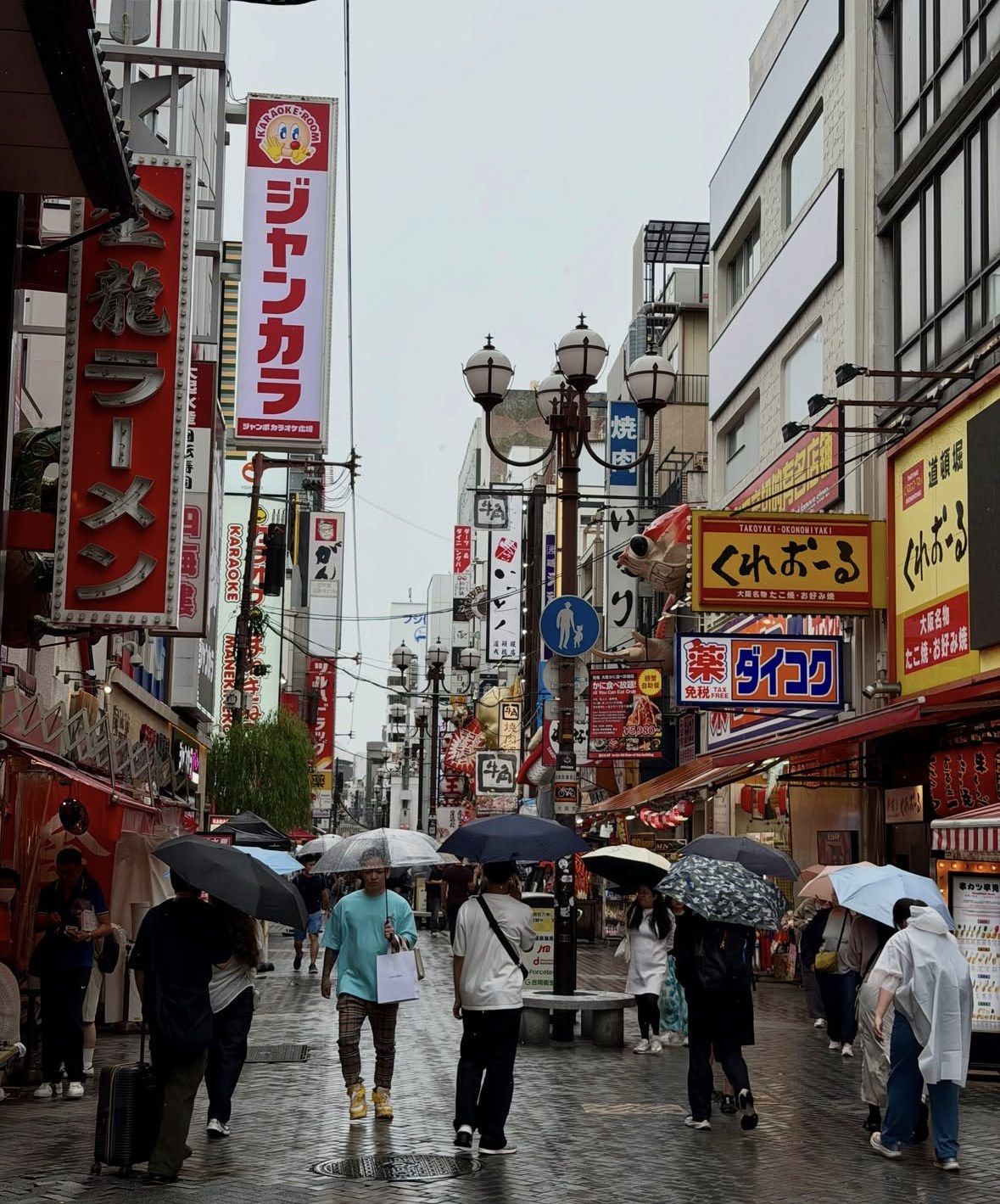
In shortThe Osaka food market people mean is Kuromon Ichiba: about 580 metres of covered arcade with roughly 150 shops in Nipponbashi, on the edge of Minami, the Namba and Dotonbori quarter. Fish changed hands here beside Enmyoji Temple in the Edo period, and the place became an officially recognised market in 1902. Each shop sets its own hours and closing days, which makes the morning the slot to aim for.
580 mof market arcade under one roof
about 150shops along the Kuromon arcade
1902year it was recognised as a market
from $522-hour guided walk with tastings
What the Osaka food market is
Kuromon Ichiba Market runs about 580 metres under a single covered arcade and holds roughly 150 shops. The address is 2-4-1 Nippombashi, Chuo-ku, which puts it on the eastern side of Minami, the Namba and Dotonbori quarter, so the canal counters and the market fit into the same afternoon on foot. To compare Osaka food tours that cover the arcade, start with the 2-hour Kuromon walk, which meets outside Exit 10 of Kintetsu Nippon-bashi Station at 10:00 or 11:00.
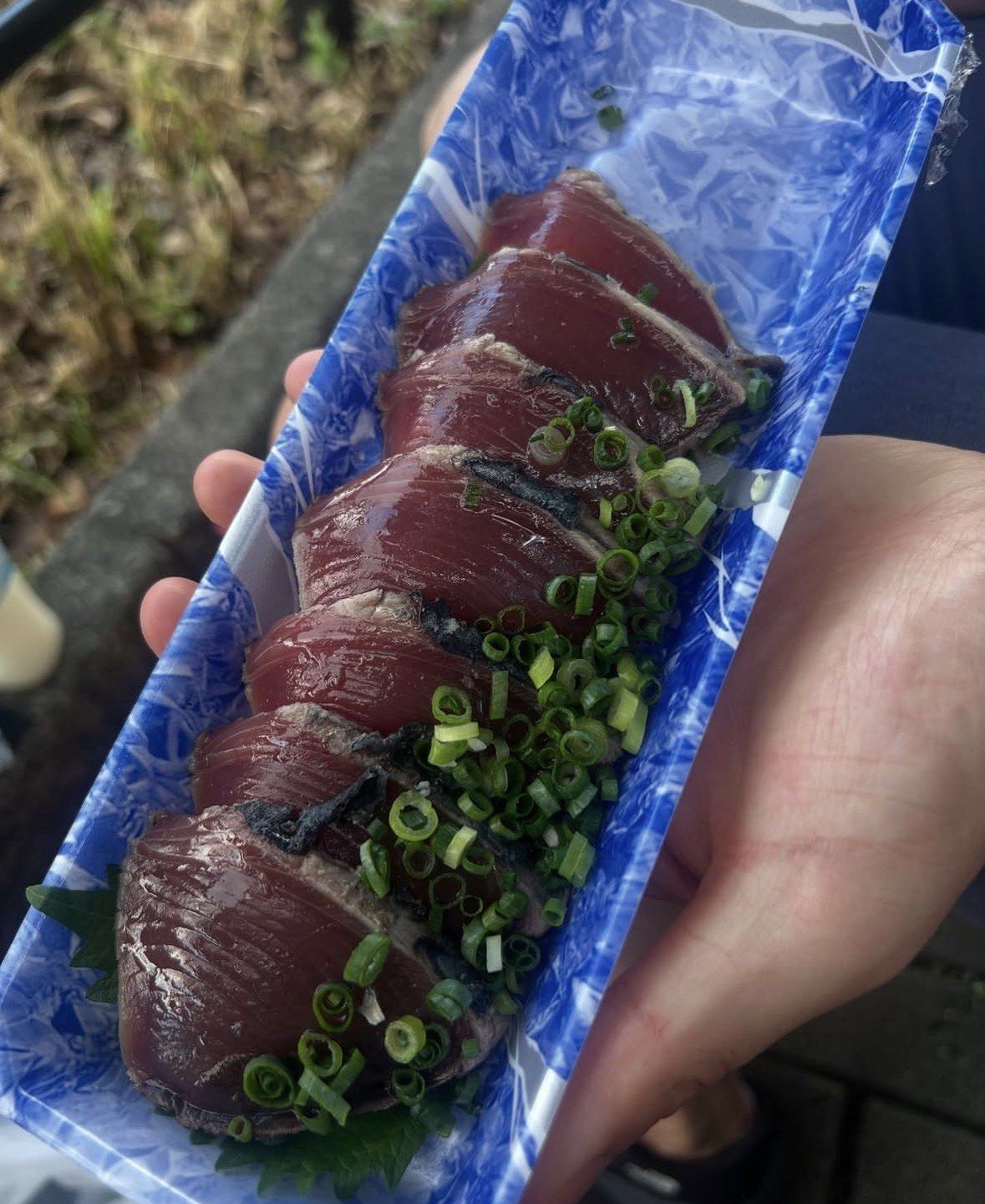
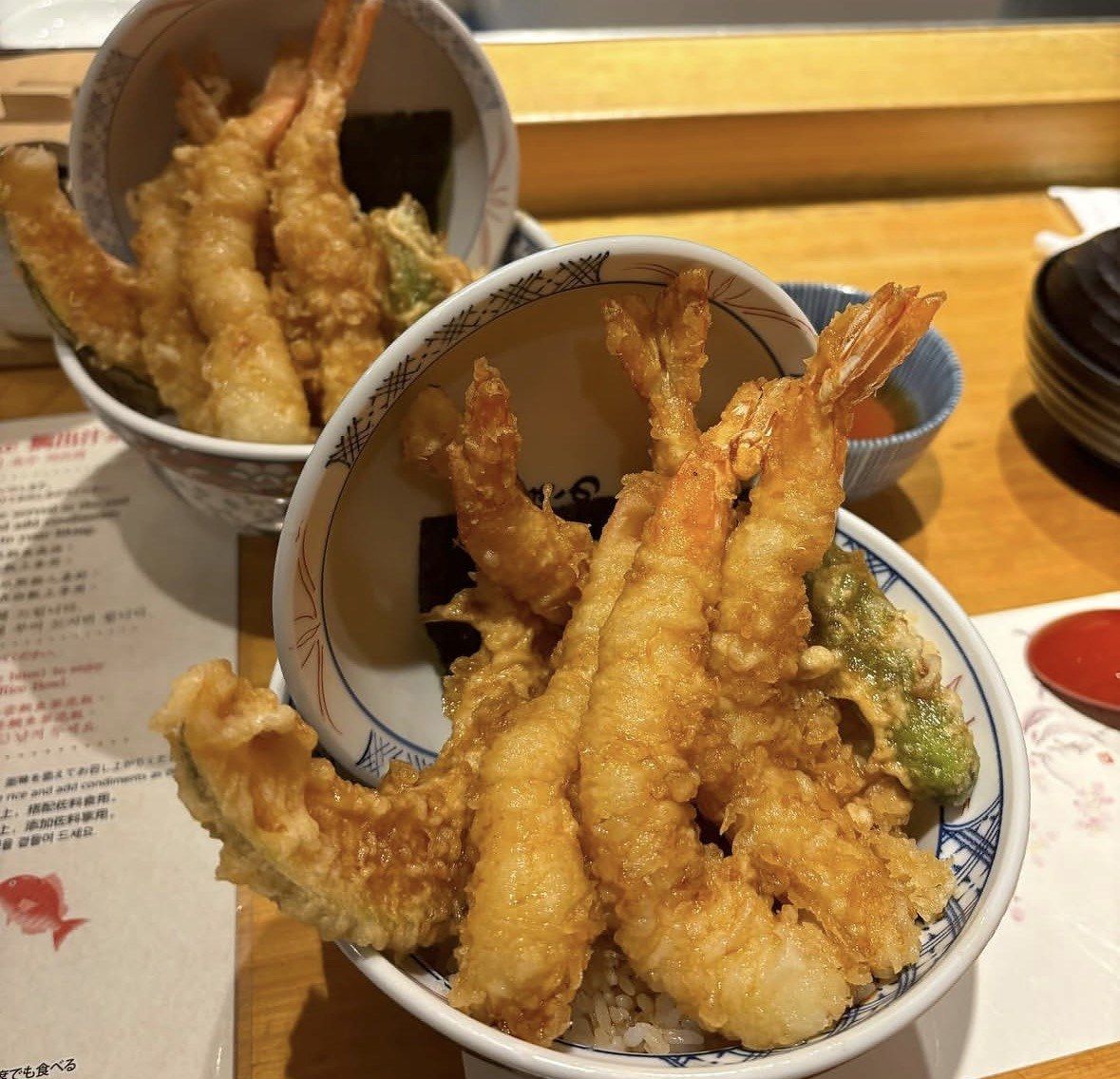
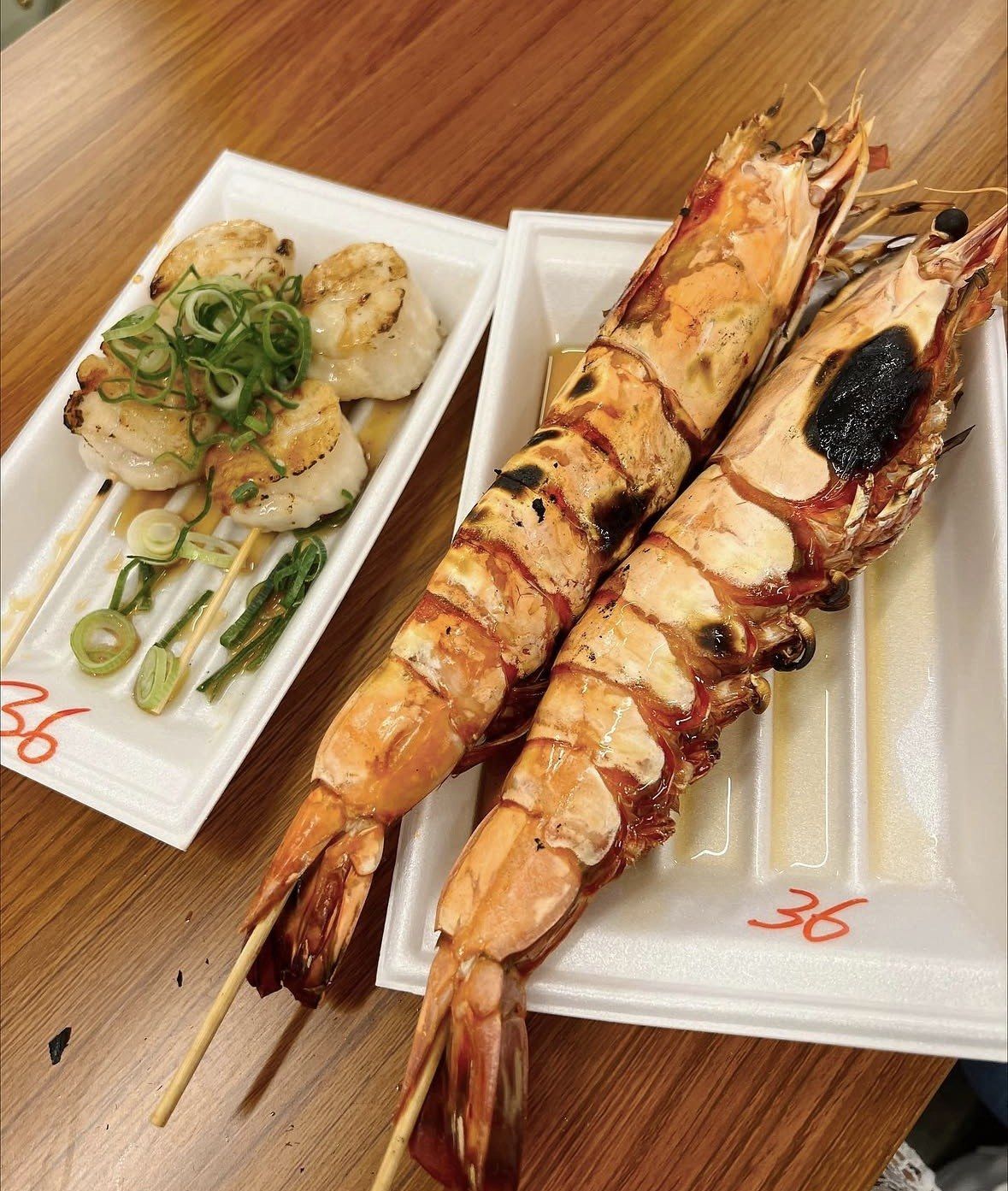
Supplying the city's kitchens is the job the place was built for, and that role gave it two nicknames still used in print: Osaka's kitchen and Osaka's stomach. There is also an eat-in corner serving sushi, seafood bowls and tempura bowls, which is the sensible move when the arcade is too busy to stand still holding a tray.
Next to Osaka's other shopping streets, this one is short and dense. Walk its length slowly, stop where the queues look reasonable, and you are back at the station inside a morning.
From Edo-period fish stalls to a market in 1902
Trading started here in the Edo period, with fish sold beside Enmyoji Temple. The temple's black gate gave the market its name, since kuromon means black gate, and the name stuck long after the gate stopped being the thing anyone navigated by.
Official recognition as a market came in 1902. That date marks the line between a street where fish was sold and an organised market with an association behind it; the arcade today is run by the Kuromon Market Shopping District Promotion Association, which also answers questions about individual shops on 06-6631-0007.
Hours, closing days and the station at the door
There is no market-wide opening time. The tourism bureau's listing states that hours and closing days are both set shop by shop, so the arcade does not switch on and off as a block, and a schedule built around one posted time will be wrong for a share of the 150 shops. Call the association first if one particular counter is the reason you are going.
Access is about as easy as central Osaka gets. The arcade stands immediately outside Nippombashi Station on the Osaka Metro Sennichimae Line, so you come up the stairs and you are in it.
The bureau's summer advice is specific: come in the morning and eat under the arcade, before the day's heat has built. August runs to a monthly mean of 29.0C with a normal daily maximum of 33.7C, and the roof does only so much by early afternoon. The market walks on this site leave at 10:00 or 11:00 for that reason.
- District: Nipponbashi, Chuo-ku, beside Minami (Namba and Dotonbori)
- Station: Nippombashi, Osaka Metro Sennichimae Line, at the exit
- Hours: set by each shop, with closing days also shop by shop
- Shop-level questions: Kuromon Market Shopping District Promotion Association, 06-6631-0007
- Best slot in summer: morning, eating under the arcade
The arcade in two morning hours
Six stops, five to six tastings and a certified guide, with a 10:00 or 11:00 start, the window the tourism bureau itself recommends for Kuromon in warm weather.
★ 4.9/5 · 671 reviews
Osaka wholesale market: Kizu and its public morning market
Osaka Kizu Wholesale Market sits on the trade side of the same food chain and keeps nothing like a tourist arcade's rhythm. Trading runs 07:00-13:00 depending on the shop, and it closes Sundays, public holidays, some Wednesdays and from 31 December to 4 January. Go on a weekday to watch a working market rather than to eat your way along a route, and check the day before you build anything around it.
The slot made for the public is the Morning Market, held on the second and last Saturday of each month, 09:00-12:00. Line your trip up with one of those Saturdays if the wholesale end interests you. Otherwise Kuromon does the job on any morning, with far less chance of standing in a forklift's way.
Umeda's food halls for rain and late starts
Department store food floors, the depachika, are the indoor version of market grazing, and they keep fixed hours the arcade never promises. Hankyu Umeda Main Store at 8-7 Kakutacho opens 10:00-20:00, with confectionery, bread, prepared dishes and bento on B1 and fresh fish, meat, vegetables, fruit, pickles and alcohol plus a World Food Market on B2. Daimaru Umeda at 3-1-1 Umeda also opens 10:00-20:00 and closes only on 1 and 2 January.
The floor-by-floor detail, the eat-in areas and the rest of the Umeda halls sit on the depachika page on this site. Use them when the rain arrives in June, the wettest month in the normals at 185.1 mm, or when your day only starts once the market has thinned out.
Morning market tasting or an evening street-food walk
Pick by what you want explained to you. The market walk is a 2-hour morning outing starting at 10:00 or 11:00, when the arcade is properly working and the heat has not landed: six stops, five to six tastings, a certified guide and tour photos afterwards, from $52 and rated 4.9 ★ (671 reviews). Arriving on the Kintetsu line, you come out at Exit 10 of Nippon-bashi Station and look for the group by the SMBC ATM at Nippon-bashi 1chome.
Evenings belong to the counters and izakaya, informal pubs serving food, around Minami and Shinsekai, where ordering is the hard part. The 3-hour walk with 18 Japanese local foods and 3 drinks at 4 local restaurants carries the longest tasting list of the walks here, from $80 and rated 5.0 ★ (3,950 reviews), gathering at street level outside MEGA Don Quijote Shinsekai at Dobutsuen-mae Exit 5. Vegetarian requests, allergies and dislikes can be met up to a point with fewer tastings, and strict gluten-free is beyond what that walk can do.
Take the morning if you only have one slot and the market is the point. For the arcade and the canal in one go, the 2.5-hour walk linking Dotonbori, Kuromon Market and street food with a licensed guide, from $30 and rated 4.9 ★ (227 reviews), covers both from the Apple Store Shinsaibashi; all fees and taxes are included and snacks are not.
| Walk | Duration | From | Rating | Tastings and stops | Meeting point |
|---|
| Kuromon Market Food Walking Tour (6 stops, 6 tastes) | 2 hours | from $52 | 4.9 ★ (671) | 5-6 samplings at 6 stops, tour photos | SMBC ATM, Nippon-bashi 1chome, Kintetsu Nippon-bashi Exit 10 |
|---|
| Osaka Walking Tour: Dotonbori, Kuromon Market & Street Food | 2.5 hours | from $30 | 4.9 ★ (227) | Licensed guide, all fees and taxes included, snacks not included | In front of the Apple Store Shinsaibashi |
|---|
| Osaka Street Food Tour: 18 Foods & 3 Drinks at 4 Eateries | 3 hours | from $80 | 5.0 ★ (3,950) | 18 local foods and 3 drinks at 4 eateries | Dobutsuen-mae Exit 5, street level outside MEGA Don Quijote |
|---|
Questions people ask
Is Kuromon worth it in August?
Yes, as long as you go in the morning. Osaka's August monthly mean is 29.0C with a normal daily maximum of 33.7C, and the tourism bureau's summer advice for Kuromon is to come early and eat under the arcade before the heat builds. By mid-afternoon the roof does little against it.
Do I pay more if I eat at a shop's seats?
Yes. Consumption tax is 10% when you use the shop's seating area and a reduced 8% when you take the food away, which is why staff ask before ringing up the order. Say take out when you plan to stand and eat, and the same item costs a little less.
Can I smoke in the arcade?
No. The ban on lighting up in the street has covered every part of Osaka City since 27 January 2025, with designated smoking areas the only exception, and getting caught costs 1,000 yen. Restaurants and cafes may still have separated smoking sections indoors, but the arcade itself counts as street, exactly where you graze on your feet.
Should I tip a market guide?
No. Nobody here expects a tip: not a guide walking you through the arcade, not the counter you eat at, not the taxi back to the hotel. Thanks are said out loud instead. Keep the spare cash for another drink or another skewer along the arcade.
How do I get from the market to Dotonbori?
On foot. Nipponbashi is one of the three stations that sit 5 to 10 minutes from the busiest run of Dotonbori counters, along with Namba and Shinsaibashi. Namba, the main hub, is also served by Nankai, Kintetsu and the Osaka Metro Midosuji, Sennichimae and Yotsubashi lines.
Read also