Where Osaka's First Food Markets Grew Up
Water and a shrine set the first lines on Osaka's eating map. Osaka Tenmangu was founded in 949 and dedicated to the scholar Sugawara-no-Michizane; it stands at 2-1-8 Tenjinbashi in Kita-ku, open 9:00-17:00 year-round, and the long street running north from it grew up as its temple town. Trade followed the worshippers. The arcade association dates Tenma's market era to 1653, when a vegetable market about 300 m long opened beside the Okawa, north of Tenjinbashi. Fish changed hands further south, in Nipponbashi, beside Enmyoji Temple throughout the Edo period, along lanes later roofed over as Kuromon Ichiba Market.
The canal that defines central Osaka was a private job. Yasui Doton funded the excavation in 1612, the waterway took his name, and Dotonbori turned into the city's theatre and entertainment quarter, with playhouses and teahouses along both banks. The fish trade by Enmyoji took longer to formalise, becoming an officially recognised market in 1902 and borrowing its name from the temple's black gate. Supplying restaurants across the city earned it two nicknames that stuck: Osaka's kitchen and Osaka's stomach. The two districts sit minutes apart on foot, which is why one evening walk can take in the canal and the arcade. One food tour in Osaka on this site, the 2.5-hour Dotonbori and Kuromon walk, covers both, with 10 minutes on the Dotonbori strip and 30 minutes in Kuromon Ichiba Market.
Kuidaore and the Dishes Osaka Is Known For
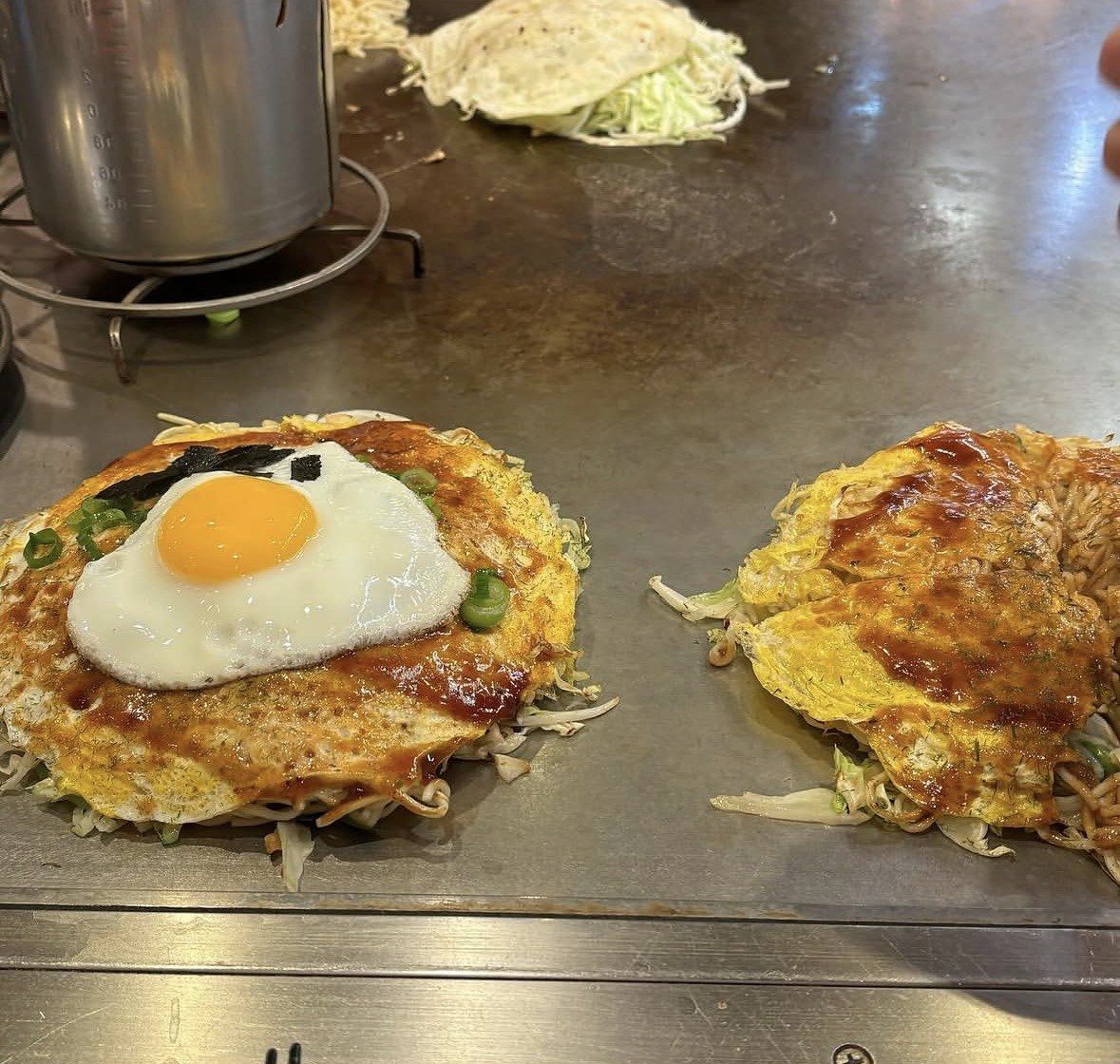
The city explains itself with kuidaore, eating yourself into ruin: Kyoto spends on clothes, Osaka on what it eats. The tourism bureau calls Osaka the Kitchen of the Nation. Okonomiyaki, a savoury pancake cooked on an iron plate, follows the Kansai method here: wheat flour dissolved in dashi stock, cabbage as the essential ingredient, the mixed batter spread flat and round on the hot plate, pork as the popular topping. Hiroshima assembles the same idea in layers, starting with a thin crepe, then cabbage, bean sprouts and green onion steamed on top, then soba noodles, sauce and nori.
Takoyaki, octopus balls cooked in a dimpled iron pan, dates back less than a century. Aizuya opened in Osaka in 1933 under its first-generation owner, Tomekichi Endo, and the shop's own history dates takoyaki to 1935. Before that came radioyaki, filled with konjac and beef instead of octopus, and the shop still sells it. The main store at 2-3-1 Tamade-nishi in Nishinari-ku, by Exit 1 of Tamade Station on the Osaka Metro Yotsubashi Line, opens 11:00-21:00 and closes only on New Year's Day. The tourism bureau puts the spread of takoyaki shops across the city in the 1950s. Wanaka sells portions of 8, 12 or 15 pieces depending on the store.
Shinsekai owns kushikatsu, deep-fried skewers of meat and vegetables. Janjan Yokocho runs about 130 metres north to south with about 50 shops, kushikatsu counters sitting next to doteyaki, beef sinew simmered in miso. One block off the Dotonbori strip, Hozenji Yokocho keeps an older scale: two stone-paved east-west alleys only 80 metres long and 3 metres wide, lined with kappo restaurants, bars, okonomiyaki and kushikatsu shops, five minutes on foot from Namba Station. Tsutenkaku Tower stands over Shinsekai, its general observatory open 9:00-21:45 with last admission at 21:15 and a timed-entry reservation required when you buy.
Dates and Numbers Behind the Food Districts
949
Osaka Tenmangu founded; its shrine road becomes Tenjinbashisuji
1612
Yasui Doton pays for the digging of the Dotonbori canal
1902
Kuromon is officially recognised as a market
1935
First Glico sign over Dotonbori; Aizuya dates takoyaki to this year
580 metres
Kuromon's covered arcade, holding roughly 150 shops
2.6 km
Tenjinbashisuji, called Japan's longest shopping street
The Neon, the Okonomiyaki Houses and the Food Halls
The sign everyone photographs has a lineage. A Glico sign has stood over Dotonbori since 1935; the current sixth-generation version went up in October 2014, measures 20.00 m high by 10.38 m wide and is lit from sunset until 24:00. Underneath it, the okonomiyaki trade hardened into institutions. Mizuno at 1-4-15 Dotonbori says it has worked more than 70 years at the same address, signs its menu with Mizuno-yaki and trades daily, 11:00-22:00 with last orders at 21:00. Chibo opened in 1973 and fills floors 1-6 of its own building at 1-5-5 Dotonbori. Botejyu dates itself to 1946 and opened a Hawaii branch in 1978.
Osaka's eating also grew sideways, into districts that feed residents. Ikuno Koreatown on Miyuki-dori opened as a roughly 500-metre shopping street in 1993 and now counts more than 100 eateries and shops, in an area where about 30,000 residents of Korean descent live; get there via Tsuruhashi Station on the Kintetsu, Osaka Metro Sennichimae and JR Osaka Loop lines, or walk 10 minutes from Momodani. Wholesale trade carries on at Osaka Kizu Wholesale Market, 07:00-13:00 depending on the shop, closed Sundays, holidays, some Wednesdays and 31 December to 4 January, with a public Morning Market on the second and last Saturday of each month, 09:00-12:00.
Umeda runs the market hall vertically. Hankyu Umeda Main Store at 8-7 Kakutacho opens 10:00-20:00, with confectionery, bread, prepared dishes and bento on B1, fish, meat, vegetables, pickles, alcohol and a World Food Market on B2, and restaurants on floors 12-13 running 11:00-22:00. Daimaru Umeda at 3-1-1 Umeda keeps the same 10:00-20:00 hours, while LUCUA and LUCUA 1100 open 10:30-20:30 with their restaurants until 23:00. The newest arrival is Time Out Market Osaka, open since 21 March 2025 on B1F of the Grand Green Osaka South Building, with 17 kitchens and two bars, daily 11:00-23:00 and last kitchen orders at 22:00.
How to Eat Your Way Through It Today
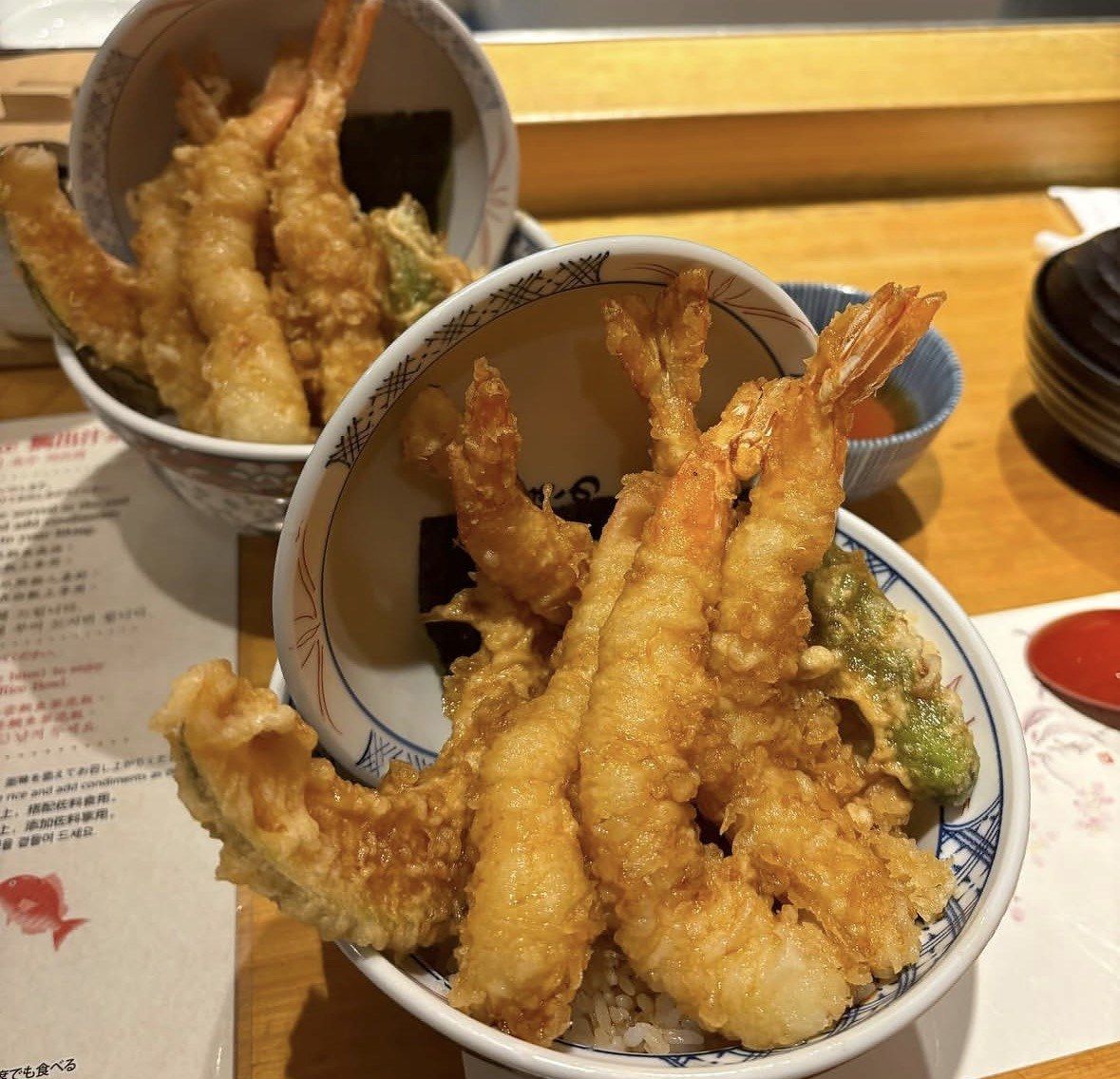
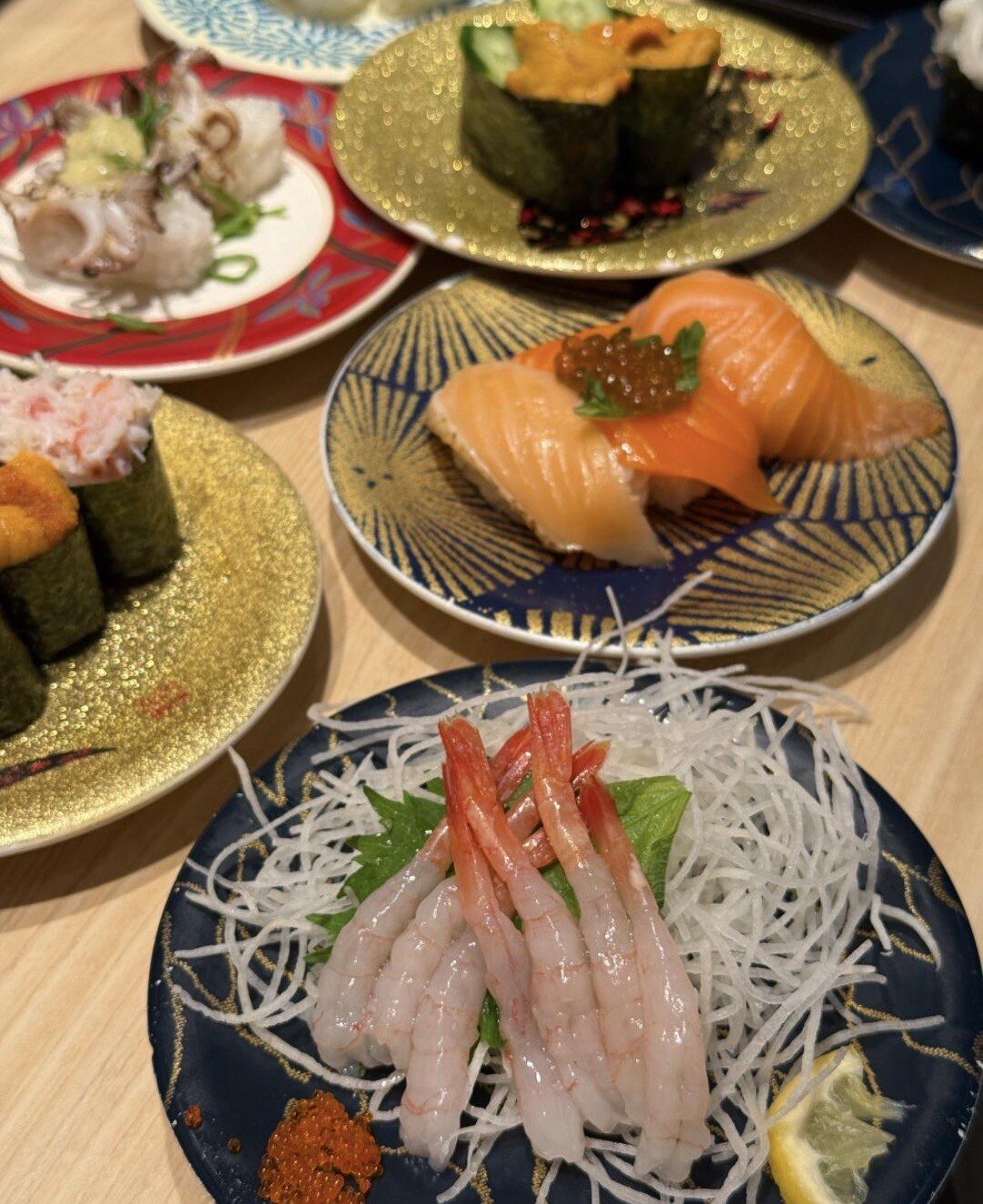
Kuromon Ichiba Market is still one covered arcade of about 580 metres with roughly 150 shops, at 2-4-1 Nippombashi in Chuo-ku, immediately outside Nippombashi Station on the Osaka Metro Sennichimae Line, with an eat-in corner serving sushi, seafood bowls and tempura bowls. Neither Kuromon nor Dotonbori keeps district-wide hours: the official listings state that opening times and closing days are set shop by shop. For summer the tourism bureau advises reaching the arcade in the morning, before the day's heat builds. Guided walks run to fixed starts instead, Kuromon Market walks at 10:00 or 11:00, the Dotonbori and Shinsekai foodie walk at 11:30, 16:30 or 17:30, bar crawls between 17:00 and 19:00.
Three rules shape a day of eating here. Street smoking has been banned across the whole of Osaka City since 27 January 2025 outside designated areas, with a 1,000 yen fine, though restaurants and cafes may still keep separated smoking sections. Tipping is not customary in Japan, on food tours or in restaurants and taxis; you say thank you instead. Consumption tax comes to 10% if you eat in the shop's seating area and a reduced 8% if you take the food away, which is why staff ask before they ring it up. The Osaka Convention and Tourism Bureau takes dietary questions on 06-6131-4550, daily 9:00-17:30. Compare the tours on this site and pick a slot.